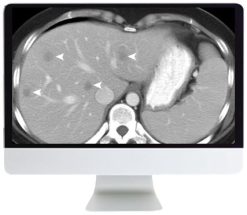
 ARRS SAR Disease-Focused Panels: Cancer Imaging and Reporting Guidelines 2021


The Johns Hopkins Perioperative Management 2019
$15
The Johns Hopkins Perioperative Management 2019
Format: 47 Video Files + 1 PDF Files
YOU WILL GET THE COURSE VIA LIFETIME DOWNLOAD LINK (FAST SPEED) AFTER PAYMENT
Johns Hopkins – Perioperative Management 2019
Johns Hopkins Clinical Update
The most up-to-date knowledge you need to deliver effective, evidence-based perioperative care.
This program from Johns Hopkins — the leader in perioperative medicine — focuses on current and concise knowledge to improve patient outcomes through preoperative evaluation, intraoperative management, and postoperative care. Perioperative Management includes case-based lectures on topics like cardiac and pulmonary risk assessment, perioperative renal dysfunction, pain management, management of diabetes and hyperglycemia, and more. It will also help you to better:
- Illustrate effective management of bleeding and thrombotic risks in surgical patients
- Identify strategies for controlling postoperative pain and reducing opioid dependency
- Outline ways to prevent, diagnose and treat common infections that complicate surgical procedures
- Discuss multi-disciplinary approaches to minimize complications and improve patient outcomes
Learning Objectives
At the conclusion of this activity, you will be better able to:
- Describe current guidelines for preoperative cardiac and pulmonary risk assessment and list several ways to predict and prevent cardiac and pulmonary complications using preoperative testing and intraoperative and postoperative interventions.
- Describe bleeding and thrombotic risks in surgical patients and list several strategies to reduce complications through evidence-based use of blood conservation methods, transfusion, coagulation testing, anticoagulant reversal agents, and/or management of anti-thrombotic drug therapies.
- Describe strategies to control acute postoperative pain using multimodal analgesia and reduce risk for chronic opioid dependency.
- Recognize how to prevent, diagnose, and treat common healthcare associated infections that complicate surgical procedures.
- Describe the perioperative complications associated with diabetes, renal insufficiency, delirium, and frailty, and list management strategies to optimize outcomes in patients with these medical conditions.
- Recognize the impact of structural and cultural factors related to the healthcare system (e.g., provider stress, safety culture, communication strategies) on the safety and quality of healthcare delivery, and describe the potential of various multi-disciplinary programs (e.g., enhanced recovery after surgery, perioperative surgical home, CUSP) to improve health outcomes.
Intended Audience
This activity is intended for anesthesiologists, internal medicine specialists, hospitalists, surgeons, family practitioners, nurse anesthetists, nurse practitioners and physician assistants.
Date of Original Release: April 1, 2019
Date Credits Expire: April 1, 2022
Estimated Time to Complete: 18.5 hours
Topics And Speakers:
- Perioperative Cardiac Risk Assessment and Testing – Ilan Wittstein, MD
- Perioperative Myocardial Ischemia and Stroke: Mechanisms and Management Strategies – Nauder Faraday, MD, MPH
- Perioperative Management of Patients with Cardiomyopathy – Todd Dorman, MD, FCCM
- Preoperative Evaluation: Optimized, Not Cleared – Leonard Feldman, MD
- Perioperative Management of Patients on Anti-Platelet Therapy – Nauder Faraday, MD, MPH
- Perioperative Management of Patients with Warfarin and Direct Oral Anticoagulants (DOACs) – Nauder Faraday, MD, MPH
- Preoperative Evaluation and Management of the Patient with Heart Failure – Ilan Wittstein, MD
- Controversies in the Management of Perioperative Hypotension – Todd Dorman, MD, FCCM
- Evidence-Based Preoperative Testing – Sean Berenholtz, MD, MHS, FCCM
- Controversies in the Preoperative Management of Prescription Medications, Herbals, and Supplements – Heather Sateia, MD
- Perioperative Risks and Management of Pulmonary Hypertension – Megan P. Kostibas, MD
- Management of Perioperative Anemia, Transfusion, and Bleeding – Nauder Faraday, MD, MPH
- Preoperative Pulmonary Risk Assessment and Testing – Peter Rock, MD, MBA, FCCM, FCCP
- Solutions to Burnout I: The Surprising Science of Gratitude – J. Bryan Sexton, PhD
- Solutions to Burnout II: Relationship Resilience – J. Bryan Sexton, PhD
- Solutions to Burnout III: Coping with Change and Hope as a Muscle – J. Bryan Sexton, PhD
- Prevention and Treatment Surgical Wound Infections – Pamela Lipsett, MD, FACS, FCCM
- Perioperative Management of the Patient with a Pacemaker or ICD – Ilan Wittstein, MD
- Management of the Patient with Aortic Stenosis for Noncardiac Surgery – MaryBeth Brady, MD
- “It’s Only a Sedation…” Strategies to Prevent and Manage Adverse Outcomes – Laeben Lester, MD
- Managing Common Perioperative Problems Using Point of Care Ultrasound (POCUS) – Stephanie Cha, MD
- Managing the Hazards of Perioperative Care Transfer: The Handoff – Lee Goeddel, MD, MPH
- Perioperative Respiratory Insufficiency: Mechanisms and Management – Peter Rock, MD, MBA, FCCM, FCCP
- Perioperative Management of Diabetes and Hyperglycemia – Leonard Feldman, MD
- Perioperative Renal Dysfunction – Derek Fine, MD
- Acute Pain Management: The Case for Multimodal Therapy – Marie Hanna, MD
- Preventing, Identifying, and Managing Common Healthcare Associated Infections – Pamela Lipsett, MD, FACS, FCCM
- Opioid Addiction – The Role of Perioperative Clinicians in Prevention and Treatment – Marie Hanna, MD
- Perioperative Fluid Management – Pamela Lipsett, MD
- Perioperative Glucose Management in the Brittle Diabetic – Leonard Feldman, MD
- Perioperative Management of Chronic Steroids and Other Immunosuppressant Drugs – Heather Sateia, MD
- Pain Management in the Opioid-Tolerant Patient: A Case-Based Discussion – Marie Hanna, MD
- Prehabilitation of the Frail Patient for Elective Surgery – Frederick Sieber, MD
- Perioperative Management of the Patient with Obstructive Sleep Apnea – Peter Rock, MD, MBA, FCCM, FCCP
- Perioperative Management of Hepatic Dysfunction – Aliaksei Pustavoitau, MD
- Perioperative DVT and Pulmonary Embolism – Nauder Faraday, MD, MPH
- Post-Operative Delirium: Prevention and Treatment – Frederick Sieber, MD
- Identifying and Managing Risks in Ambulatory Surgery Patients – Tina Tran, MD
- Improving Perioperative Quality and Safety Through System and Culture Change – Sean Berenholtz, MD, MHS, FCCM
- Programs to Enhance Recovery After Surgery (ERAS) – Sean Berenholtz, MD, MHS, FCCM
- Creating and Managing a Preoperative Evaluation Center – Jerry Stonemetz, MD
- Managing End of Life Issues in Surgical Patients – Pamela Lipsett, MD, FACS, FCCM
- Perioperative Management of the Patient with Dementia – Frederick Sieber, MD
- Diagnosis and Management of Postoperative Alcohol Withdrawal – Frederick Sieber, MD
- A Practical Approach to Measuring and Improving Safety and Teamwork Culture – Sean Berenholtz, MD, MHS, FCCM
- Improving the Quality of Sepsis Care – Sean Berenholtz, MD, MHS, FCCM
- Medico-Legal Liability in Perioperative Medicine: Common Pitfalls and How to Avoid Them – Jerry Stonemetz, MD
| Vendor |
|---|
Related products