USCAP Practical Issues in Urologic Pathology – 40 New Cases! 2021
8 Videos + 4 PDFs , Course Size = 18.50 GB
YOU WILL GET THE COURSE VIA LIFETIME DOWNLOAD LINK (FAST SPEED) AFTER PAYMENT
Course Description
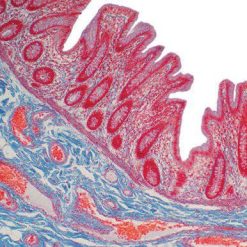
Specimens represented by prostate needle core biopsies, transurethral resection of prostate (TURP), radical prostatectomy, kidney biopsies, nephrectomy (radical or partial), bladder biopsies, cystectomy (radical or partial), cystoprostatectomy, testicular biopsies or orchiectomy are frequently handled by pathology residents/fellows, general surgical pathologists and/or urologic pathologists in academic institutions and private practices. These specimens are associated with potential diagnostic challenges and risks in day-to-day practice. This experienced faculty has selected exemplary cases from their expert consultation files (and routine in-house cases) that illustrate recurrent professional practice gaps in urologic pathology. Through intimate mentoring, you will learn how to approach them, make accurate diagnoses, and avoid traps and pitfalls that could cause diagnostic error. The course is pragmatic, clinically-oriented and stimulating. It will focus on these issues:
– Benign tumor-like lesions of the prostate are often over-diagnosed as prostate cancer or atypical small acinar proliferations
– Secondary tumors involving the prostate are frequently misdiagnosed as prostate cancer
– Histological variants of prostate cancer with important clinical significance are under-recognized
– Therapy-related changes in benign glands and prostate cancer are frequently missed
– Extra-prostatic extension in prostate needle core biopsies is frequently missed
– Recently described renal carcinomas are not well-appreciated
– Secondary tumors involving the kidney are occasionally misinterpreted as primary tumors
– Some variants of urothelial carcinoma are under-recognized
– Benign entities that mimic urothelial carcinoma are frequently misdiagnosed
– Testicular tumors still continue to pose diagnostic challenges
Target Audience
Practicing academic and community pathologists, and pathologists-in-training
Learning Objectives
Upon completion of this educational activity, learners will be able to:
– Recognize the most common benign mimickers of prostate cancer, identify therapy-related changes in the prostate and be aware of traps and pitfalls
– Identify secondary tumors involving the prostate, tumors arising from the prostatic urethra, and histologic variants of prostate cancer
– Update pathologists on newly-described entities in renal neoplasia, including guidelines for using immunohistochemistry in the work-up of renal tumors
– Develop a systematic approach to the diagnosis of bladder lesions, primary and secondary bladder tumors, benign mimickers of malignancy and staging criteria
– Introduce the new concepts and entities presented in the WHO 2016 Classification of Testicular Tumors including differential diagnoses, morphologic mimics and prognostic significance
Topics And Speakers:
– Practical Issues in Prostate Pathology – Adeboye O. Osunkoya, MD
– Practical Issues in Kidney Pathology – Kiril Trpkov, MD
– Practical Issues in Bladder Pathology – Lakshmi Priya Kunju, MD
– Practical Issues in Testicular Pathology – Steven S. Shen, MD, PhD
Original release date: October 30, 2021
GCUS Midwife Sonography Certificate Review 2019 (VIDEOS)
AIUM Fetal Heart Image Optimization: The Key to Screening 2021
Chest Pulmonary Board Review On Demand 2024 Full Bundle (Videos + Audio + PDF)
2019 UC San Diego Presents Radiology Review Course
Comprehensive Review of General Surgery 2019
ASGE 2017 DDW Videos
ASGE 2018 DDW Videos
The Johns Hopkins Neuroradiology Review (Videos+PDFs)
Penn Radiology – Comprehensive Neuroradiology: Best Practices 2017
Introduction to Adult EM Bootcamp + The Practice of Emergency Medicine (Hippo) 2020
Intensive Review of Nephrology 2021
The Osler Ophthalmology Certifying Exam Oral Review (Extracted 2024)
UCSF Radiology Review: Comprehensive Imaging 2024
Penn Radiology – Breast Imaging State of the Art 2018
Digital Slide Pathology Review: A Case Based Approach to Common Problems in Surgical Pathology 2022